
Introduction: The Allure of Camping at Indian Forts
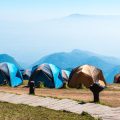
There is something truly magical about setting up camp beneath the ancient ramparts of India’s majestic forts and storied heritage sites. For solo adventurers, these places offer more than just a spot to pitch a tent—they unlock a unique journey through time, culture, and natural beauty. Unlike traditional campsites, Indian forts like Sinhagad in Maharashtra or Chitradurga in Karnataka provide a rare blend of solitude and history, where every stone whispers tales of valor, resilience, and royal intrigue. Imagine waking up to panoramic views from the bastions where Maratha warriors once stood guard, or meditating at dawn in the shadow of Rajput strongholds echoing with centuries-old legends. This fusion of adventure and heritage is what makes camping at Indian forts an irresistible choice for those seeking both inner peace and a dash of thrill. With sprawling landscapes that transition from rugged hills to verdant valleys, these sites let you experience India beyond guidebooks—immersing yourself in local stories, savoring regional cuisine cooked over a campfire, and soaking up the soulful tranquility that only comes when you’re truly off the grid. Whether you’re navigating moss-laden steps by torchlight or gazing at star-filled skies framed by weathered battlements, camping at Indian forts promises a getaway that’s equal parts enriching and exhilarating—a perfect escape for solo travelers looking to reconnect with themselves while discovering the heart of India.
Essential Gear for Fort Camping
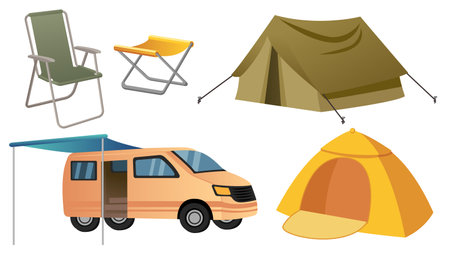
When planning a solo camping trip to one of India’s majestic forts or heritage sites, your gear becomes your best companion. The rugged landscapes, unpredictable weather, and unique terrains of Indian forts demand equipment that is reliable, lightweight, and suitable for local conditions. Here’s a checklist curated specifically for the fort camper in India.
Must-Have Camping Equipment for Indian Forts
| Gear Item | Why It’s Essential | Local Tip |
|---|---|---|
| All-Weather Tent | Protection from monsoon rains, strong winds, and intense sun | Choose tents with good ventilation for humid climates; look for brands like Quechua or Wildcraft available in India |
| Sleeping Bag & Mat | Comfort and insulation on rocky fort grounds | Select a sleeping bag rated for 10°C or below if visiting hill forts like Rajmachi or Sinhagad |
| Sturdy Trekking Shoes | Navigating uneven stones, loose gravel, and mossy steps | Opt for anti-slip soles; Decathlon stores have India-specific models |
| Headlamp/Flashlight | Essential for exploring dark bastions or moving after sunset (power cuts are common) | Carries extra batteries; LED torches from Indian brands like Eveready are popular |
| Poncho/Raincoat | Sporadic rain showers during monsoons can catch you off guard | PVC ponchos available at local markets are affordable and effective |
| Portable Stove & Utensils | No food stalls at remote forts; self-cooking ensures safety and hygiene | Pick up a compact gas stove (local chulha) and steel thali set from any bazaar |
| Water Purification Tablets/Filter Bottle | Many forts lack safe drinking water sources | Tata Swach or LifeStraw bottles work well across Indian locations |
| First Aid Kit & Basic Medicines | Treat minor injuries, insect bites, and stomach issues quickly on-site | Add ayurvedic balms like Zandu or Amrutanjan for muscle relief after treks |
| Power Bank/Solar Charger | No electricity at most fort tops; keep your phone charged for emergencies and navigation (Google Maps/JioSaavn offline playlists!) | Solar chargers are especially useful on sunny Deccan plateau forts like Daulatabad or Tikona Forts |
Packing Tips for Indian Heritage Sites
- Pack light but don’t skip essentials—most forts require a steep climb.
- Avoid single-use plastics; carry reusable containers as local authorities often ban plastics at heritage sites.
- Cotton clothing works best in hot weather, but layer up when camping at higher altitudes like in Himachal Pradesh or Rajasthan.
Your Adventure Awaits!
The right gear ensures you stay safe, comfortable, and respectful of the historic environment. Double-check this checklist before heading out to explore the mighty ramparts and ancient gateways of India’s timeless forts!
3. Cultural Etiquette and Local Connect
Respecting Traditions at Forts & Heritage Sites
When camping solo at Indian forts and heritage sites, it’s essential to be mindful of the diverse cultural landscape. Many forts are not just historical structures but also places of spiritual or local significance. Always dress modestly, especially in rural regions or near temples within fort complexes. Remove your shoes if you see locals doing so, and avoid loud behavior or playing music that could disturb the peace. By showing respect for these traditions, you’ll gain the goodwill of local communities and ensure a more immersive camping experience.
Understanding Regional Languages
India is a tapestry of languages—Hindi may work in many areas, but learning basic greetings in the local tongue (like Marathi in Maharashtra, Kannada in Karnataka, or Rajasthani in Rajasthan) goes a long way. Simple phrases such as “Namaste” (hello), “Dhanyavaad” (thank you), or “Madad chahiye” (need help) can break the ice. Carry a translation app on your phone or keep a pocket phrasebook to ease communication barriers while navigating village markets or seeking directions around remote forts.
Engaging with Local Communities
Solo adventurers often find some of their best memories through spontaneous interactions with locals. If villagers invite you for chai or a simple meal, accept graciously—it’s a sign of hospitality rooted in Indian culture. Ask permission before photographing people, especially elders or women. Participate in village activities if possible; helping out with chores or joining a local festival can deepen your understanding of the region’s heritage. Remember, building trust and rapport is key to discovering hidden stories and gaining access to lesser-known trails around heritage sites.
Pro Tip: Leave No Trace
Indian forts and heritage campsites deserve the utmost care. Always carry back your trash, avoid disturbing wildlife, and respect restricted areas. Your thoughtful approach will ensure these historic gems remain pristine for future solo travelers.
4. Top Fort Destinations for Solo Campers
If you are a solo adventurer craving an offbeat experience, India’s forts offer just the right blend of history, nature, and thrilling solitude. From the lush Sahyadri hills in Maharashtra to the grand deserts of Rajasthan, these heritage sites are not only picturesque but also welcoming for those camping alone. Let’s explore some of the most iconic and accessible fort destinations across India that are ideal for solo campers.
Maharashtra: The Heartland of Hill Forts
Maharashtra is famous for its rugged landscapes dotted with ancient hill forts, many of which have become hotspots for trekking and camping. Solo travellers can enjoy panoramic views, serene sunsets, and safe camping spots. Here are some top picks:
| Fort Name | Location | Special Features |
|---|---|---|
| Rajmachi Fort | Lonavala-Khandala region | Scenic trails, fireflies in pre-monsoon, easy trek, local homestays nearby |
| Harishchandragad | Ahmednagar district | Konkankada cliff view, temples, caves for shelter |
| Torna Fort | Pune district | Historic site, wildflowers post-monsoon, ample flat spaces for tents |
Rajasthan: Camping Amidst Majestic Citadels
For those drawn to the grandeur of the Thar Desert and Rajputana architecture, Rajasthan’s forts offer a unique backdrop for your solo camping escapade. Picture yourself under starry skies with tales of valour echoing from ancient walls. Here are must-visit forts for campers:
| Fort Name | Location | Cultural Highlights |
|---|---|---|
| Kumbhalgarh Fort | Rajsamand district | World’s second-longest wall, wildlife sanctuary nearby, heritage walks |
| Chittorgarh Fort | Chittorgarh city | Lakeside camping zones, sound & light show narrating heroic stories |
Karnataka & Madhya Pradesh: Hidden Heritage Gems
If you want to steer away from crowds, Karnataka and Madhya Pradesh boast lesser-known yet magnificent forts perfect for secluded solo camps:
| Fort Name | Location | Main Attractions |
|---|---|---|
| Bangalore Fort (Devanahalli) | Bangalore Rural district, Karnataka | Quick escape from city life, clean surroundings, friendly locals |
| Gwalior Fort | Gwalior city, Madhya Pradesh | Breathtaking sunrise points, musical evenings at fort amphitheatre |
Local Tips for Solo Adventurers:
- Always inform local authorities or villagers about your camping plan—most will be happy to guide you (and even share some chai!).
- Packing a sturdy tent (monsoon-proof if in Maharashtra), torchlight (power cuts common!), and basic first-aid is essential.
- If travelling during festivals or melas near forts, join in; it’s the best way to experience local culture firsthand.
- Respect fort rules—no bonfires inside protected areas and carry back all waste (Swachh Bharat spirit!).
The Indian Experience: Adventure Meets Culture!
Camping at these legendary forts isn’t just about pitching your tent; it’s about waking up to peacock calls in Rajasthan or sharing vada pav with fellow trekkers on a misty morning in Maharashtra. Each destination offers more than scenic vistas—it immerses you in India’s living heritage while giving solo adventurers freedom and peace like nowhere else.
5. Safety, Permissions, and Responsible Camping
Securing Permissions: The First Step
Before pitching your tent at any Indian fort or heritage site, it’s crucial to obtain the necessary permissions. Many forts are protected by the Archaeological Survey of India (ASI) or local authorities, and camping without prior approval can lead to fines or eviction. Always contact the local district office or fort caretaker in advance. A simple phone call or a written request mentioning your purpose and duration of stay is usually required. Carry a printout of your permission as you may be asked to show it at entry points.
Prioritising Personal Safety
Solo adventurers must keep safety at the forefront. Inform a trusted friend or family member about your itinerary and expected return time. Mobile network coverage can be patchy in remote regions, so consider carrying a basic feature phone with longer battery life, along with a power bank. When camping within fort premises, choose spots that are not exposed to sheer drops or wildlife corridors—many forts are surrounded by dense forests that are home to leopards, monkeys, and snakes. Trust your instincts; if a site feels unsafe after dark, relocate before nightfall.
Local Insights: Blend In With the Community
Respect for local traditions goes a long way in ensuring a warm welcome. Dress modestly, especially when visiting sites of religious importance like Rajasthan’s Kumbhalgarh Fort or Maharashtra’s Sinhagad Fort. If approached by villagers or security personnel, greet them politely in Hindi or the regional language—simple words like “Namaste” or “Dhanyavaad” can break the ice.
Eco-Friendly Camping: Leave No Trace
Indian forts and heritage sites are precious legacies; preserving them is our shared responsibility. Use reusable water bottles and food containers to minimise plastic waste. Collect all litter—including biodegradable items—and carry it back to the nearest dustbin in town. Avoid lighting campfires unless permitted; use portable gas stoves for cooking instead. Stick to marked trails and avoid disturbing archaeological features—climbing on ancient walls or graffiti is strictly disrespectful.
Key Takeaway
By following these guidelines on permissions, personal safety, and eco-conscious camping practices, you contribute to safeguarding India’s historic treasures while enjoying an authentic adventure. Let every fort visit become a story worth sharing—one that future generations will thank you for.
6. Making the Most of Your Fort Camping Experience
Wake Up to Magical Sunrises
One of the most enchanting aspects of camping at Indian forts and heritage sites is witnessing the sunrise over ancient ramparts and valleys. Set your alarm a little before dawn, grab a steaming cup of chai, and make your way to a vantage point on the fort walls or bastions. The panoramic view of golden sunlight spilling across the Deccan Plateau or Aravalli hills is an unmissable sight for every solo camper. Pro tip: Carry a lightweight tripod or mobile stand for those perfect time-lapse sunrise shots—ideal for sharing your adventure with friends back home or on Instagram stories.
Experience Unforgettable Stargazing
Far from city lights, these historic sites offer pristine night skies dotted with countless stars. After a hearty camp dinner of poha, parathas, or Maggi noodles cooked on your portable stove, spread out a mat or sleeping bag on the fort’s terrace. Watch for constellations like Orion, Ursa Major, and even spot shooting stars if you’re lucky! Download an Indian stargazing app such as Sky Map to identify celestial wonders above. This peaceful setting is perfect for some quiet meditation or journaling under the cosmic canopy.
Connect with Like-Minded Travelers
Indian forts often attract fellow solo adventurers—be it backpackers from Pune hiking up Sinhagad, or history buffs exploring Rajasthan’s Kumbhalgarh. Strike up a conversation around the campfire, share stories of your favorite treks like Rajgad or Hampi ruins, and swap travel hacks unique to India (such as where to find the best chai tapri near your site). Many campers form WhatsApp groups to plan future trips together or coordinate safe night walks around the fort premises. Remember, camping here is as much about community as solitude; don’t hesitate to join group activities like folk music sessions or heritage walks if they’re available.
Quick Tips for Enriching Your Experience
- Photography: Use the soft morning and evening light for stunning photos; avoid drone usage unless permitted by local authorities.
- Cultural Respect: Always follow local guidelines and respect religious shrines within fort complexes—remove footwear when required and avoid loud music near sacred spaces.
- Sustainability: Carry reusable utensils, segregate waste, and leave no trace behind to help preserve these priceless sites for future generations.
Packing Essentials
- A sturdy torch (headlamp preferred for hands-free movement)
- A compact camera or smartphone with night mode
- Thermal flask for chai/coffee during chilly mornings
- A power bank (as charging points are rare)
By embracing these suggestions, your solo fort camping journey in India will not only be safe and memorable but will also let you experience the country’s rich tapestry of history, nature, and vibrant camaraderie—all under one star-studded sky.