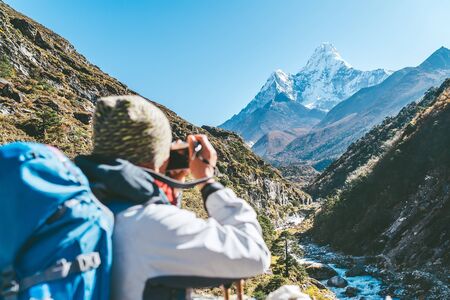

Introduction to Trekking in India
India, a land of contrasts and vibrant colours, offers an incredible array of trekking experiences for adventure groups and passionate photographers alike. From the snow-capped peaks of the Himalayas in the north to the lush Western Ghats in the south, the countrys diverse terrains guarantee every trekker an unforgettable journey. What sets Indian trekking trails apart is not just their breathtaking landscapes, but also the deep cultural immersion each route provides. Ancient monasteries perched on mountain ridges, remote tribal villages, spiritual pilgrimage sites, and age-old forests teeming with wildlife all contribute to the richness of these trails. For shutterbugs, every step unveils dramatic vistas—think rhododendron blooms under Himalayan sunlight or misty valleys dotted with terraced farms. Whether you crave adrenaline-pumping ascents or seek to capture India’s soul through your lens, trekking here means embracing a blend of nature’s splendour and India’s unparalleled heritage.
Essential Gear for Trekking and Outdoor Photography
Embarking on India’s diverse trekking trails—whether it’s the rugged Himalayas, lush Western Ghats, or the remote valleys of the Northeast—demands a careful selection of gear. Proper equipment not only ensures safety but also enhances your adventure and photography experience. Here’s a breakdown of must-have trekking and photography gear tailored to Indian terrains, with practical tips for local conditions.
Trekking Essentials for Indian Terrain
| Gear Item | Why It’s Essential in India | Local Tips |
|---|---|---|
| Weather-Appropriate Clothing | India’s weather can swing from scorching heat to freezing cold within a day, especially in the mountains. | Layer up: Use light merino wool for warmth, quick-dry shirts for humidity, and pack a poncho or rain jacket for monsoons. |
| Sturdy Footwear | Trails range from rocky Himalayan paths to muddy monsoon tracks in the Western Ghats. | Choose high-ankle trekking boots with solid grip; consider water-resistant options during June–September. |
| Backpack with Rain Cover | Unpredictable downpours are common across most Indian trails. | A 40–60L backpack with an integrated rain cover is ideal; keep electronics in dry bags. |
| Trekking Poles | Steep ascents and descents are frequent, especially in Himachal, Uttarakhand, and Sikkim. | Telescopic poles offer flexibility; rubber tips prevent slipping on wet rocks. |
| Water Purification Tablets/Filter | Clean water sources may be scarce or questionable on remote trails. | Chemical tablets (like Aquatabs) or portable filters (LifeStraw) are highly recommended. |
| Headlamp/Flashlight | Power cuts and early sunsets are common in rural regions. | Carries extra batteries; rechargeable LED headlamps are lightweight and efficient. |
| Sunscreen & Cap | The sun at high altitudes can be harsh even during winter treks. | Select SPF 50+ sunscreen; wide-brimmed caps offer better protection than baseball caps. |
Durable Camera Equipment for Photographers
- Rugged DSLR or Mirrorless Camera: Opt for weather-sealed models to withstand dust, humidity, and sudden rains typical on Indian trails like Valley of Flowers or Chadar Trek.
- Lenses: Carry a versatile zoom lens (18–135mm) for landscapes and a fast prime lens (50mm f/1.8) for portraits and low-light shots. Consider a telephoto if wildlife is expected.
- Protective Cases: Use padded camera inserts inside your backpack and always store gear in silica gel pouches to combat monsoon moisture.
- Extra Memory Cards & Batteries: Charging points are rare on multi-day treks. Bring at least two spare batteries and ample storage cards—keep them in waterproof cases.
- Lightweight Tripod: Essential for sunrise/sunset shots in places like Sandakphu or Dzongri. Choose carbon fiber tripods for weight savings without sacrificing stability.
Packing Power Resources on Indian Trails
The remoteness of many Indian trekking routes means power banks are vital. A 10,000mAh–20,000mAh power bank can recharge cameras and phones multiple times. Solar chargers work well on open Himalayan ridges but are less effective during monsoons or dense forest trails. Remember that some homestays offer paid charging facilities—carry a universal adapter as plug types may vary across states.
Monsoon Preparedness: Stay Dry & Safe
- Ponchos & Rain Pants: Lightweight yet durable rain gear is crucial between June and September across Maharashtra Sahyadris, Kerala’s hills, and the Eastern Himalayas.
- Mosquito Repellent: Especially important on lower altitude trails where stagnant water breeds insects post-monsoon.
Packing right is half the adventure. With region-specific equipment and attention to Indian trail challenges—from unpredictable weather to limited resources—you’ll be ready to capture breathtaking moments while staying safe and comfortable throughout your journey!

3. Iconic Himalayan Treks
When it comes to legendary trekking experiences in India, the Himalayas stand tall as the ultimate playground for adventure groups and shutterbugs. The region is home to some of the world’s most celebrated high-altitude trails—each trail promising not just a test of endurance, but also a unique immersion into local cultures and mind-blowing panoramas.
Chadar Trek: Walking on the Frozen Zanskar
The Chadar Trek in Ladakh is nothing short of an expedition through a frozen wonderland. During peak winter, the Zanskar River transforms into a thick sheet of ice—a ‘chadar’—offering trekkers an experience unlike any other in India. Temperatures plummet below -20°C, making advanced gear essential: think insulated boots, thermal layers, and sturdy trekking poles. Along this route, you’ll encounter remote Zanskari villages where locals welcome you with butter tea and tales of survival. For photographers, the interplay between icy blue riverbeds and stark canyon walls under crystal-clear Ladakhi skies is pure magic.
Triund Trek: Gateway to the Dhauladhar Ranges
If you’re seeking a relatively accessible yet visually spectacular trek, Triund above McLeod Ganj in Himachal Pradesh ticks all boxes. This moderate trail winds through rhododendron forests inhabited by chirping Himalayan magpies and leads up to panoramic campsites with direct views of snow-clad Dhauladhar peaks. Local chai stalls dotting the trail provide quick energy boosts and a taste of Himachali hospitality. With golden hour sunlight bathing the valleys and prayer flags fluttering against mountain backdrops, every corner here is a frame-worthy scene for photographers.
Valley of Flowers: A UNESCO World Heritage Canvas
Nestled in Uttarakhand’s Garhwal Himalayas, the Valley of Flowers National Park explodes into a riot of colour during monsoon months. Adventure groups hike past gushing waterfalls and across wooden bridges while meadows burst with over 500 species of wildflowers—blue poppies, primulas, and Himalayan bellflowers among them. Local legends abound about this mystical valley being linked to Hindu gods and epic tales from Mahabharata. Photographers will be spoilt for choice: misty mountain ridges, rare blooms, and frequent sightings of endangered fauna like the elusive snow leopard or Himalayan monal make every step memorable.
Cultural Immersion on Himalayan Trails
Beyond natural splendour, these treks offer encounters with local traditions—whether sharing a meal in a Ladakhi homestay or joining villagers for evening prayers at hilltop temples. The mix of harsh landscapes and warm-hearted hosts provides stories that linger long after your memory cards are full.
Pro-Tip for Adventurers & Photographers
Pack light but don’t compromise on essentials: layered clothing for unpredictable weather, portable power banks for camera gear, and always respect local customs—be it removing shoes before entering monasteries or greeting elders with a respectful “Namaste.” With planning and cultural sensitivity, these iconic Himalayan treks promise both adrenaline rushes and unforgettable frames for every adventurer’s album.
4. Western Ghats & Southern India Trails
For adventure groups and passionate photographers, the Western Ghats and Southern India open up a world of rain-drenched greenery, vibrant flora, and surreal landscapes. Treks like Kudremukh in Karnataka, Chembra Peak in Kerala, and the Nilgiris Biosphere Reserve present some of the most breathtaking routes for those who crave both adventure and stunning photo opportunities.
Top Trails to Explore
| Trail Name | Location | Highlight | Trek Difficulty |
|---|---|---|---|
| Kudremukh Trek | Karnataka | Misty grasslands, rolling hills, wild horses | Moderate |
| Chembra Peak Trek | Kerala (Wayanad) | Heart-shaped lake, tea plantations, panoramic views | Easy-Moderate |
| Nilgiris Biosphere Trails | Tamil Nadu/Kerala/Karnataka border | Biodiversity hotspot, shola forests, endemic species | Varies (Easy to Difficult) |
Biodiversity: The Photographer’s Paradise
The Western Ghats are a UNESCO World Heritage Site, renowned for their rich biodiversity. Photographers can capture rare endemic species such as the Malabar Giant Squirrel, Nilgiri Tahr, and vibrant orchids. Adventure groups will love spotting colourful butterflies after monsoon showers or catching glimpses of elephants along misty trails.
Scenic Backwaters & Cultural Encounters
Southeast India’s trails often wind near tranquil backwaters—especially in Kerala. These serene water bodies reflect lush hillsides and offer unique perspectives for landscape photography. Local experiences abound: trekkers may encounter spice plantations, tribal villages, and ancient temples hidden amidst the forest canopy, infusing every journey with authentic South Indian flavour.
5. Practical Tips for Safety and Responsible Trekking in India
Prioritising Group Safety on Indian Trails
Indias diverse trekking terrain, from the mighty Himalayas to the lush Western Ghats, calls for a heightened sense of safety and responsibility. Always trek in groups, stick to marked trails, and ensure you have a local guide familiar with the region’s specific challenges—be it sudden weather changes or wildlife encounters. Carry an India-specific first aid kit with essential medications like ORS (Oral Rehydration Salts), altitude sickness tablets for Himalayan treks, and insect repellents for forested areas.
Respecting Local Customs & Traditions
Indian trekking routes often pass through remote villages and sacred sites. Respecting local culture is key. Always greet locals with a respectful ‘Namaste’—a gesture that goes a long way in building rapport. Dress modestly, especially in conservative rural or Himalayan communities. Remove shoes before entering temples or homes, and seek permission before photographing people or religious ceremonies.
Treading Lightly Around Sacred Spaces
Many Indian trails intersect with spiritual landmarks like monasteries (Gompas), shrines, or holy rivers. Avoid loud noises, do not litter, and never touch religious artifacts unless invited. When camping near such sites, maintain a respectful distance and keep noise levels minimal during early mornings and evenings.
Eco-Friendly Trekking Practices
Leave no trace is more than just a motto; it’s vital for preserving India’s fragile wilderness. Carry reusable water bottles and metal tiffin boxes to minimise plastic waste. Use biodegradable soap and avoid polluting streams or lakes. Stick to established campsites to prevent damage to native flora.
Cultural Sensitivity for Photographers
If you’re capturing the vibrant landscapes or portraits of local people, always ask before taking photos—especially at festivals or religious gatherings. Share your images respectfully if requested by locals and avoid drones in protected areas without prior permissions.
Summary: Responsible Adventure Is Rewarding
By following these India-specific safety tips—respecting traditions, safeguarding natural habitats, and fostering positive local interactions—you’ll not only ensure a safe trek but also enrich your group adventure experience across India’s legendary trails.
6. Capturing the Spirit of India: Photo Spots & Local Encounters
Iconic Photography Spots Along Indian Trails
India’s trekking trails are a photographer’s playground, offering vivid backdrops and dynamic street life. Whether you’re crossing the lush meadows of the Valley of Flowers or pausing at the ancient monasteries of Ladakh, always keep your camera ready. Look for sunrise views over Sandakphu with four of the world’s highest peaks in frame, or the emerald Spiti River winding through stark Himalayan valleys. In Kerala, shoot the misty tea estates at Munnar during golden hour. Each region boasts signature moments—yak caravans in Sikkim, vibrant saris against Rajasthan dunes, or prayer flags fluttering along Himachali ridges.
Engaging with Local Communities: Respect & Rapport
Trekking in India means sharing routes with shepherds, villagers, monks, and artisans. Before photographing people, always ask for permission with a smile or learn a few local greetings like “Namaste” (Hindi) or “Julley” (Ladakhi). Genuine interaction leads to more authentic portraits and stories. Show your subjects their photos and thank them—offering a digital copy if possible is appreciated. Avoid intrusive lenses during private moments; instead, focus on candid scenes of daily life like chai-making, farming, or children playing cricket by terraced fields.
Documenting Festivals & Traditions
If your trek coincides with a festival—such as Hemis in Ladakh or Hornbill in Nagaland—immerse yourself respectfully. Ask locals about festival customs and be mindful not to disrupt ceremonies. Use ambient light rather than flash for temple rituals or folk dances. Capture details: henna patterns on hands, marigold garlands, drums, and laughter. Always respect restrictions on sacred sites where photography may be prohibited.
Sharing Stories Beyond Images
Your images are most powerful when paired with context. Jot down anecdotes about local guides’ hospitality or a memorable meal shared under starlight. Highlight sustainable practices—like refusing single-use plastics or supporting homestays—that preserve these landscapes and cultures for future explorers.
Leave Only Footprints, Take Meaningful Memories
The spirit of Indian trekking lies not only in landscapes but also in its people. Approach every encounter with curiosity and humility; your photographs will reflect genuine connections made on the trail. By blending adventure with cultural sensitivity, you’ll return home with both stunning visuals and soulful tales from India’s unforgettable trekking routes.