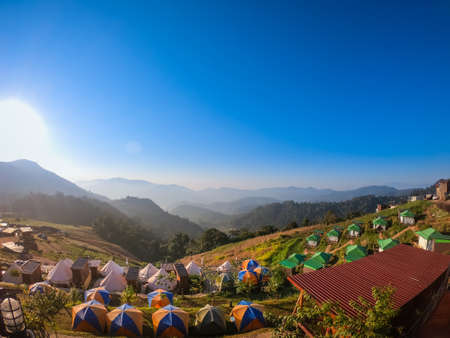

Discovering the Avian Paradise of Northeast India
Northeast India, fondly called the “Seven Sisters”, is a true avian paradise for nature lovers and bird enthusiasts. Home to lush rainforests, misty hills, and sprawling valleys, this region offers an extraordinary diversity of birdlife that’s unique even within the Indian subcontinent. The states of Assam, Meghalaya, and Arunachal Pradesh have become legendary among the global birdwatching community for their vibrant habitats teeming with both endemic and migratory species.
A Symphony of Colours and Calls
From the emerald forests of Kaziranga in Assam to the cloud-kissed cliffs of Meghalaya’s Cherrapunjee and the unspoilt wilderness of Namdapha in Arunachal Pradesh, every landscape here is alive with a chorus of chirps, whistles, and melodious songs. The biodiversity hotspot boasts rare sightings like the Great Indian Hornbill, Bengal Florican, Himalayan Monal, and the elusive Bugun Liocichla—found nowhere else on earth.
A Birdwatcher’s Dream Come True
For seasoned twitchers or curious first-timers, Northeast India guarantees an experience that feels straight out of a dream. Imagine standing amidst ancient forests as flocks of colourful sunbirds dart from flower to flower or watching the elegant Amur Falcons soaring overhead during their epic migration from Siberia to southern Africa. The sheer variety—from tiny flowerpeckers to majestic raptors—makes every outing a new adventure.
Cultural Connections With Nature
Birdwatching here is not just about spotting species; it’s also about connecting with local communities whose lives are deeply intertwined with nature. Indigenous tribes such as the Nyishi in Arunachal Pradesh revere birds like the hornbill as sacred symbols, celebrating them in art and festivals while working towards their conservation. This unique blend of culture and wildlife transforms each trek into a journey that goes far beyond the trail.
2. Unique Cultural Connection: Birds in Local Traditions
In Northeast India, birds are more than just vibrant symbols of biodiversity—they are deeply woven into the cultural and spiritual fabric of the region’s indigenous communities. The Khasi, Naga, and Mishing tribes, among many others, hold birds in high regard, seeing them as both messengers from the spirit world and guardians of ecological balance.
The Role of Birds in Folklore and Legends
For centuries, local folklore has featured birds as prominent characters, often symbolizing hope, guidance, or transformation. For example, the Khasi people believe that certain birds act as intermediaries between humans and their ancestors. In Naga oral traditions, hornbills are revered for their majestic presence and are commonly associated with bravery and prosperity. The Mishing community tells stories where birds forewarn villagers of natural changes or impending dangers.
Festivals Celebrating Avian Beauty
Birds play a central role in regional festivals that blend spirituality with environmental awareness. The Nagaland Hornbill Festival is perhaps the most famous, showcasing traditional dances inspired by the hornbills flight and plumage. Similarly, communities in Meghalaya celebrate migratory birds during harvest time, believing their arrival brings good fortune. These festivals reinforce the connection between people and nature, teaching younger generations to respect avian life.
Daily Life: Symbolism and Conservation
In daily village life, birds are considered omens or bearers of blessings. Their calls often guide farmers when to sow seeds or harvest crops. Many tribes protect nesting sites within sacred groves—small forest patches maintained for spiritual rituals—which serve as sanctuaries for rare bird species.
Spiritual & Ecological Significance Table
| Tribe | Key Bird Species | Cultural Significance | Ecological Role |
|---|---|---|---|
| Khasi | Indian Roller | Messenger between worlds; sign of good luck | Pest control in rice fields |
| Naga | Great Hornbill | Symbol of valor; centerpiece of major festivals | Seed dispersal for forest regeneration |
| Mishing | Pied Kingfisher | Foreteller of rain and river health | Indicator of clean water sources |
This unique relationship between the people and birds not only preserves age-old customs but also fosters conservation efforts crucial for maintaining the ecological richness of Northeast India.

3. Top Birdwatching Hotspots: From Kaziranga to Eaglenest
If you are a bird lover with an adventurous soul, Northeast India is your ultimate paradise. This region is blessed with some of the most vibrant and unique avian species in the country, thanks to its rich forests and diverse ecosystems. Let’s take a quick virtual tour through the top birdwatching hotspots—each a gem on every birder’s bucket list.
Kaziranga National Park: The Pride of Assam
Kaziranga isn’t just about one-horned rhinos! This UNESCO World Heritage site is also a haven for over 480 species of birds, including the Great Indian Hornbill, Bengal Florican, and the Swamp Francolin. The best time to visit is from November to April when migratory birds flock here, painting the wetlands in all hues. Don’t forget to carry your binoculars and a field guidebook; early morning jeep safaris offer the best sightings!
Eaglenest Wildlife Sanctuary: Arunachal’s Hidden Treasure
Located in West Kameng district, Eaglenest is famous among seasoned birders for rare finds like Bugun Liocichla and Ward’s Trogon. The sanctuary’s lush subtropical forests are alive with calls of exotic species. Local guides, often from nearby villages, know all the secret trails—so hiring one ensures you don’t miss any lifers! Pack light but bring rain gear, as sudden showers are common even in winter.
Dibru-Saikhowa National Park: Wetland Wonders
This Assam park is a biodiversity hotspot known for its grasslands and riverine islands. Birders come here hoping to spot the elusive White-winged Duck, Falcated Duck, and numerous warblers during the migratory season. Take a boat safari on the Brahmaputra or camp on sandbanks for that true Northeast adventure vibe—just remember to respect local customs and avoid plastic waste.
Pro Tips for Birdwatchers in Northeast India
- Travel offbeat: Many hotspots are remote; opt for eco-stays or homestays to support local communities.
- Respect wildlife: Keep noise low and maintain distance from nesting sites.
- Local lingo helps: Learn basic Assamese or local dialect greetings—it opens doors to authentic experiences!
Your Adventure Awaits!
Northeast India’s birdwatching hotspots promise not just stunning avifauna but also warm hospitality and breathtaking landscapes. Lace up your trekking shoes and get ready to explore these gems—the feathered wonders of Northeast await your arrival!
4. Spicing Up Your Trek: Culinary Flavours of the Hills
After a long day traversing the lush forests and spotting the vibrant birds of Northeast India, nothing rejuvenates the soul like a plate full of local delicacies. Taking a break from trekking not only gives your legs some rest but also introduces you to the bold and unique culinary culture that the region is famous for. The hills of Assam, Nagaland, and Meghalaya are bursting with flavours, thanks to their age-old recipes and fresh, locally-sourced ingredients.
Bamboo Shoot Curry: The North-eastern Favourite
Bamboo shoot curry is a staple in many households across Northeast India. The tangy aroma of fermented bamboo shoots cooked with fresh herbs and spices creates an unforgettable taste. Often paired with rice or roti, this dish is both light and packed with nutrition—perfect for trekkers needing wholesome energy.
Smoked Pork with Axone: A Naga Classic
If you crave something hearty after a chilly trek, smoked pork with axone (fermented soybean) is a must-try. The smoky meat, combined with the pungent flavour of axone, delivers an earthy taste that is unique to Nagaland’s kitchens. This dish is often slow-cooked over firewood, infusing every bite with a rustic essence reminiscent of campfire meals under starlit skies.
Assamese Thali: A Feast for the Senses
The Assamese thali is a colourful platter featuring rice, dal (lentil soup), fish curry, greens, chutneys, and pickles—each item reflecting Assam’s agricultural richness. After birdwatching expeditions along the Brahmaputra valley, sitting down to this elaborate meal feels like a celebration of nature itself.
Popular North-eastern Delicacies
| Dish | Main Ingredients | Region |
|---|---|---|
| Bamboo Shoot Curry | Bamboo shoots, herbs, spices | Meghalaya/Assam/Manipur |
| Smoked Pork with Axone | Pork, fermented soybean (axone), spices | Nagaland |
| Assamese Thali | Rice, lentils, fish curry, vegetables | Assam |
Trekker’s Tip:
While exploring the trails around Kaziranga or Tawang, look out for local homestays or roadside dhabas offering these dishes. Many hosts love sharing their food traditions and might even invite you to join them in preparing a simple bamboo shoot stew or a spicy chutney from scratch—giving your adventure an authentic and flavourful twist!
5. Trekking Trails That Thrill: Adventure Amidst Scenic Beauty
If you are an adventure enthusiast seeking to combine your love for trekking with the vibrant tapestry of Northeast India’s biodiversity, you are in for a treat! The region is famed not only for its colourful avifauna but also for its awe-inspiring trekking trails that promise both adrenaline and serenity.
Meghalaya’s Living Root Bridges: A Walk on Nature’s Marvel
The living root bridges of Meghalaya, especially in Cherrapunji and Mawlynnong, are a testament to the harmonious relationship between the Khasi tribe and nature. Trekking through these lush rainforests, with roots woven over centuries to form sturdy bridges, offers a truly unique experience. Every step brings you closer to gurgling streams, rare orchids, and an orchestra of exotic bird calls — keep an eye out for the elusive Himalayan Cutia or the vibrant Blue-throated Barbet as you traverse these magical paths.
Dzukou Valley: Where Mist Meets Mystery
Nestled along the border of Nagaland and Manipur, Dzukou Valley is a trekkers’ paradise renowned for its rolling green hills and seasonal wildflowers. The moderate trek to this valley unveils mist-laden landscapes and crystal-clear streams. As you climb higher, the panoramic view of emerald meadows is simply breathtaking. Early mornings here often reward trekkers with glimpses of colourful sunbirds and flocks of Red-tailed Minla dancing among rhododendrons.
Beyond Borders: Arunachal Pradesh and Sikkim Treks
For those seeking more challenging adventures, Arunachal Pradesh’s Tawang trail and Sikkim’s Goechala trek offer snow-capped peaks, dense forests, and the thrill of spotting rare birds like Blood Pheasants or even the majestic Himalayan Monal. These treks are best undertaken during spring or autumn when the weather is pleasant, and the landscape bursts into a riot of colours.
Tips for Responsible Trekking in Northeast India
Carry reusable water bottles to minimise plastic waste, respect local customs by greeting villagers with a friendly “Namaste,” and always seek permission before photographing people or sacred sites. Most importantly, tread lightly — let the trails remain pristine for generations to come!
Trekking in Northeast India is not just about scaling heights; it’s about embracing nature’s wonders up close. Each trail promises thrilling adventures, soul-soothing scenery, and memories coloured by feathers and flowers alike.
6. Responsible Travel: Eco-friendly Trekking and Birdwatching
Exploring the Northeast’s vibrant birdlife and stunning trekking trails is a once-in-a-lifetime experience, but it comes with the responsibility of preserving these pristine habitats for future generations. Sustainable tourism is not just a trend in India—it is a commitment to Mother Earth and the diverse communities that call this region home.
Eco-conscious Trekking Practices
When you embark on trekking adventures in Northeast India, always follow the ‘leave no trace’ principle. Carry reusable water bottles, avoid single-use plastics, and pack out all your waste. Stick to marked trails to prevent damaging delicate flora and nesting sites of rare birds such as the Blyth’s Tragopan or the Ward’s Trogon. Many trekking routes pass through sacred groves and community forests; tread gently and respect all signage.
Respecting Local Customs
The Northeast is a mosaic of cultures and traditions—from the Khasi of Meghalaya to the Apatani of Arunachal Pradesh. Always seek permission before photographing local people or entering sacred spaces. Dress modestly and participate respectfully in village life if invited. Engaging with locals using simple greetings like “Namaste” or region-specific phrases shows genuine respect for their heritage.
Supporting Community-led Conservation
Your journey can make a positive impact by choosing eco-friendly homestays, hiring local guides, and purchasing handicrafts directly from artisans. Many villages operate community-based tourism initiatives that fund conservation projects—such as protecting hornbill nesting grounds or restoring native forests. By supporting these efforts, you help ensure that the colourful birds and breathtaking landscapes of Northeast India continue to thrive.
Sustainable travel in this enchanting corner of India is about more than ticking off species or summiting peaks—it’s about forging meaningful connections with nature and people while leaving only footprints behind.
7. Experiences from the Trail: Stories of Adventure and Harmony
The true magic of trekking through Northeast India lies not just in its vibrant avian wonders or mist-laden mountains, but in the unforgettable stories crafted along the trail. Every trekker and birdwatcher who ventures into these wild lands returns with tales painted in hues of adventure, camaraderie, and serendipity—each experience coloured by the region’s unmatched hospitality.
Encounters with Local Communities
Many trekkers recall being greeted with warm smiles and steaming cups of chai by villagers in Arunachal Pradesh or Nagaland. These small gestures embody the legendary Indian concept of “Atithi Devo Bhava”—the guest is god. As you rest weary feet at a humble homestay, your hosts might share folk songs or guide you to secret birding spots only locals know. Such moments foster a sense of unity and cultural exchange, reminding travellers that hospitality here is heartfelt and genuine.
Sightings that Stir the Soul
For avid birdwatchers, spotting a rare Himalayan Monal or hearing the haunting call of the Blyth’s Tragopan is nothing short of exhilarating. One birder recounted her joy upon glimpsing a flock of Scarlet Minivets darting through rain-drenched rhododendrons in Meghalaya: “It felt like witnessing living jewels against an emerald canvas.” These sightings are often shared over evening bonfires, where new friendships form as stories and local delicacies are exchanged under starry skies.
Lessons from Nature’s Classroom
Every trail teaches respect for nature’s fragility and resilience. Trekkers describe navigating slippery bamboo bridges or pausing to let a herd of Mithun cross their path—a reminder that this land belongs as much to its wildlife as to its people. The gentle guidance of local guides, always ready with a tale or medicinal herb, adds layers of meaning to every step taken in these forests.
The Spirit of Adventure & Harmony
Perhaps what resonates most with those who journey through Northeast India is the harmony between people, birds, and wilderness. Whether it’s sharing a meal with newfound friends or lending a hand during a sudden downpour, these experiences stitch together memories that last a lifetime. As one trekker aptly put it: “In Northeast India, adventure isn’t just about scaling peaks—it’s about discovering the wild heart within us all.”