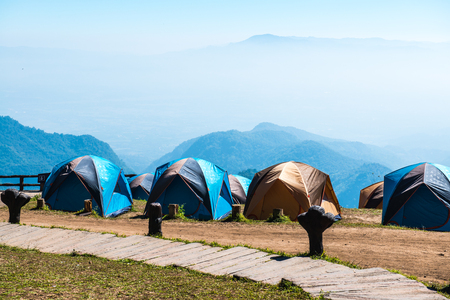

Introduction to Family Camping in Indian National Parks
Family camping in Indias national parks and wildlife sanctuaries has blossomed into a vibrant trend among urban and rural families alike. With the fast-paced city life, more Indian families are seeking meaningful escapes into nature, choosing to explore the countrys breathtaking biodiversity together. From the majestic Bengal tiger in Jim Corbett to flocks of migratory birds in Bharatpur, the thrill of spotting wildlife in their natural habitat is an experience that captivates all ages. Beyond just adventure, these trips foster deeper family bonds and offer children invaluable lessons about India’s rich flora and fauna. Today, campsites in renowned reserves like Ranthambore, Bandipur, and Periyar are adapting to cater to family needs—offering safe environments, guided jungle walks, and rustic yet comfortable accommodations. Embarking on a camping trip in these protected havens not only promises excitement but also helps instil respect for nature and conservation values within the next generation. Whether you’re roasting marshmallows by a campfire or listening to the distant calls of peacocks at dawn, family camping in India is about creating shared memories while discovering the wild heart of Bharat together.
Top National Parks and Wildlife Sanctuaries for Family Camping
India’s national parks and wildlife sanctuaries offer unforgettable family camping experiences, blending the thrill of the wild with safe, well-equipped facilities perfect for children. Whether you’re eager to spot a Royal Bengal Tiger or listen to the symphony of birds at dawn, these destinations make nature accessible and exciting for all ages. Here’s a family-friendly guide to some of India’s best-known spots:
Best Parks for Family Camping
| Park/Sanctuary | State | Highlight Species | Camping Facilities | Family-Friendly Features |
|---|---|---|---|---|
| Jim Corbett National Park | Uttarakhand | Bengal Tiger, Asian Elephant, Deer | Tented camps, eco-lodges | Nature walks, river safaris, kid-safe zones |
| Kanha National Park | Madhya Pradesh | Barasingha, Tiger, Leopard | Campsites, jungle resorts | Guided safaris, interactive nature trails |
| Ranthambore National Park | Rajasthan | Tiger, Sloth Bear, Crocodile | Luxe tents, forest campsites | Cultural shows, birdwatching tours |
| Periyar Wildlife Sanctuary | Kerala | Elephant, Gaur, Sambar Deer | Bamboo huts, lakeside camping | Boating in Periyar Lake, spice garden visits |
| Sundarbans National Park | West Bengal | Royal Bengal Tiger, Saltwater Crocodile | Eco-camps, mud houses | Mangrove safaris, educational programs for kids |
| Kaziranga National Park | Assam | One-horned Rhino, Wild Buffaloes, Tigers | Campsites near park boundary | Elephant-back rides, jeep safaris suitable for families |
| Bharatpur (Keoladeo Ghana) Bird Sanctuary | Rajasthan | Sarus Crane, Painted Stork, Waterfowl species | Tented accommodation in nearby villages and guesthouses within park area | Bicycle & rickshaw tours ideal for young children; expert guides available |
Packing Tips for Indian Family Camping Adventures
- Sunscreen & hats: Essential under the Indian sun.
- Sufficient water & snacks: Especially important when travelling with little ones.
- Mosquito repellent: For evening comfort in jungles.
- ID proof & permits: Most parks require these at entry gates.
A Few Local Touches to Enhance Your Trip
- Treat your family to regional delicacies at campsite kitchens—try Kumaoni cuisine in Corbett or Kerala’s appam and stew near Periyar!
- If visiting during festival time (like Holi or Diwali), check if local communities near the parks host special cultural evenings—kids will love it!
- Sunscreen & hats: Essential under the Indian sun.
- Sufficient water & snacks: Especially important when travelling with little ones.
- Mosquito repellent: For evening comfort in jungles.
- ID proof & permits: Most parks require these at entry gates.
A Few Local Touches to Enhance Your Trip
- Treat your family to regional delicacies at campsite kitchens—try Kumaoni cuisine in Corbett or Kerala’s appam and stew near Periyar!
- If visiting during festival time (like Holi or Diwali), check if local communities near the parks host special cultural evenings—kids will love it!
- Treat your family to regional delicacies at campsite kitchens—try Kumaoni cuisine in Corbett or Kerala’s appam and stew near Periyar!
- If visiting during festival time (like Holi or Diwali), check if local communities near the parks host special cultural evenings—kids will love it!
With abundant wildlife sightings and safe camping options designed with families in mind, India’s national parks ensure that children and adults alike can connect with nature—and each other—under star-studded skies.

3. Essential Camping Preparations: Indian Style
Embarking on a family camping adventure in Indias national parks and wildlife sanctuaries requires thoughtful planning to ensure a safe and memorable experience. Here are some desi-style tips to help you prepare for your next wild outing:
Choosing the Right Season
India’s diverse climate makes timing crucial. Most families prefer winter months (November to February) when the weather is pleasant, wildlife sightings are frequent, and pesky insects are fewer. Monsoon season (June to September) is best avoided, as heavy rains can lead to slippery trails, leech-infested areas, and unexpected park closures.
Securing Permits and Permissions
Many national parks and sanctuaries require entry permits or advance bookings, especially for protected tiger reserves like Jim Corbett or Ranthambore. Always check official websites or contact forest departments in advance. Carry valid photo ID proofs for all family members—Aadhaar cards work well!
Must-Pack Items for the Indian Wilderness
- Mosquito Repellant & Odomos: A must-have to keep those buzzing guests away, especially near water bodies.
- Local Snacks: Pack light munchies like khakra, theplas, dry fruits, or chikki for energy boosts during treks—these are both tasty and easy on the stomach.
- Woolens & Layered Clothing: Early mornings and evenings can get chilly even in central or southern India. Carry woolen caps, mufflers, and thermals for everyone.
- Reusable Water Bottles & Steel Tiffins: Stay hydrated and eco-friendly by avoiding single-use plastics.
- First Aid Kit: Include Dettol, band-aids, basic medicines, and allergy tablets—Indian jungles have their own surprises!
Respecting Local Customs & Culture
Each region in India has unique traditions and beliefs. Dress modestly when interacting with local villagers or tribal communities near park boundaries. Always seek permission before clicking photographs of people or sacred sites. Remember to greet with a friendly “Namaste” and be mindful of noise levels to maintain jungle serenity.
Bharatiya Bonus Tip
If travelling during festivals like Holi or Diwali, check local calendars—some parks may have special events or closures. Planning with respect for regional nuances ensures your family camping trip is truly harmonious with nature and culture.
4. Setting Up Camp: Embracing the Indian Outdoors
Setting up camp in Indias national parks and wildlife sanctuaries is an adventure where family traditions, local wisdom, and eco-sensitivity blend seamlessly. Whether you are pitching a tent at Corbett, Kanha, or Gir, the key is to balance comfort with minimal environmental impact while celebrating Indian outdoor culture.
How to Set Up Your Family Tent
Select a flat, shaded spot—preferably under a neem or peepal tree for natural cooling. Clear away sharp stones and debris. Lay out your waterproof tarp before assembling the tent. Involve everyone; let children help with stakes and guylines, making it a fun learning activity. Double-check zippers and seams to keep out insects (especially important in Indian jungles).
Arranging Your Campsite: Indian Practicality
| Area | Tips for Indian Camping |
|---|---|
| Cooking Zone | Use a portable stove or chulha (traditional clay stove) if allowed; keep spices in small dabbas (containers) for easy access. |
| Sleeping Area | Lay down thick mats or dhurries for insulation; use mosquito nets as an extra precaution. |
| Eating Space | Arrange folding chairs or mats in a circle; use steel thalis and tumblers for durability. |
| Waste Management | Segregate waste—organic for composting, non-organic for disposal. Carry cloth bags and avoid plastic wherever possible. |
Experience Camping the Indian Way
Bonfires with Folk Tales
Around dusk, gather wood from permitted areas and light a bonfire. This is the time for sharing folk tales—perhaps stories of Birbal’s wit or Panchatantra animal fables. Encourage elders to narrate local legends, making it an enriching experience for children.
Chai Brewing Rituals
No Indian camping trip is complete without brewing chai on an open flame. Mix water, tea leaves, ginger, cardamom, milk, and sugar in a kettle. Let everyone take turns stirring—the aroma alone will draw neighbours over! Pair with homemade mathri or samosas for a true desi touch.
Maintaining Eco-Sensitivity
- Always follow “Leave No Trace” principles—never litter and respect flora and fauna.
- Opt for biodegradable soaps when washing utensils near water bodies.
- Respect noise levels; remember you are sharing space with wildlife such as langurs or peacocks.
- If available, join community clean-ups organised by local forest guides or NGOs.
Family Bonding Under Indian Skies
The magic of the Indian outdoors lies not just in its landscapes but in shared experiences—setting up camp together, sipping chai by the fire, listening to folk tales under starlit skies. With practical arrangements rooted in Indian culture and eco-friendly habits, your family can truly embrace camping the Indian way.
5. Indian Camping Cuisine: Easy Recipes and Local Flavours
One of the best parts of family camping in India’s national parks and wildlife sanctuaries is the chance to cook and share hearty meals together, drawing on the country’s vibrant culinary traditions. Indian camping cuisine is all about simple, crowd-pleasing recipes that are easy to prepare outdoors, yet packed with flavour from local spices and ingredients. Let’s explore some tried-and-true dishes that will keep every camper happy around the fire.
Aloo Paratha on the Tawa
Nothing says comfort like a hot aloo paratha fresh off the tawa. This stuffed flatbread requires just a few basic ingredients: wheat flour, boiled potatoes, green chillies, coriander, and your favourite masala mix. Prepare the dough at home or at camp, mash up the filling with salt and spices, roll them out, and cook over a portable tawa or thick-bottomed pan. Serve with curd or a tangy pickle for an authentic North Indian camping breakfast.
Spicy Poha for a Quick Bite
Poha is perfect for mornings on the move or a light evening snack under the trees. Flattened rice is sautéed with onions, mustard seeds, curry leaves, turmeric, green peas, and peanuts—add in locally-sourced vegetables like tomatoes or carrots for extra nutrition. Finish with a squeeze of lime and sprinkle of fresh coriander. It cooks up fast and packs well for day hikes or wildlife safaris.
Chai Under the Stars
No Indian camping experience is complete without chai brewed over an open flame. Boil water with loose black tea leaves, add sugar, ginger, cardamom pods, and milk (or use milk powder if refrigeration is tricky). The rich aroma will draw everyone to the campsite circle as you swap stories beneath the constellations—a true taste of India in the wild.
Tips for Prepping Meals Using Local Produce
- Shop at Local Markets: Before heading into the park, visit nearby mandis for fresh fruits and veggies—think bhindi (okra), baingan (eggplant), and seasonal greens.
- Use Regional Spices: Bring along small dabbas (containers) of garam masala, jeera (cumin), dhania (coriander), and red chilli powder to elevate even simple dishes.
- Keep it Simple: Choose recipes that require minimal utensils and can be cooked on a single burner or campfire.
Cultural Tip
Involve kids in meal prep by letting them knead dough or help stir chai—it’s a great way to pass down culinary traditions while bonding in nature. With these easy recipes and local flavours, your family will savour every bite of their adventure in India’s wild heartlands.
6. Wildlife Encounters and Family Activities
Fun and Safe Ways for Families to Spot Wildlife
Exploring the wild heart of India with your family is an experience like no other. National parks such as Jim Corbett, Kanha, or Bandipur offer thrilling opportunities to see animals in their natural habitats. Always follow the park guide’s instructions—safety first, yaar! Early morning and late afternoon are the best times for wildlife sightings. Equip your little ones with binoculars and keep a respectful distance from the animals. Remember, no loud noises or sudden movements; let nature’s magic unfold at its own pace.
Guided Nature Walks: Learning Together
Many sanctuaries arrange guided nature walks led by experienced naturalists who know every chirp and paw print in the jungle. These walks are perfect for families, as guides share fascinating stories about local flora and fauna, making it both educational and entertaining. Don’t forget to carry hats, water bottles, and sturdy shoes—sometimes the trail gets a bit challenging!
Birdwatching Sessions: A Colourful Adventure
India’s forests are home to hundreds of vibrant bird species—from peacocks strutting their feathers to parakeets chattering in the treetops. Participating in birdwatching sessions is a delightful activity for all ages. Many parks provide field guides or even organize early morning sessions where you can spot rare birds like the Indian pitta or Malabar hornbill. Encourage your children to maintain a small bird-spotting diary—it’s a great way to nurture patience and observation skills.
Introducing Children to Animal Tracking
One of the most exciting activities for kids is animal tracking. With guidance from local experts, children can learn to identify pugmarks, droppings, and other signs left behind by tigers, elephants, or deer. This hands-on experience makes them feel like true jungle detectives! Make sure they understand that tracking is about observation, not disturbance—the forest is home to many creatures who deserve our respect.
Forest Etiquette: Instilling Respect for Nature
Camping trips are the ideal time to teach children Indian forest etiquette—no littering (always use your dabba for waste), respecting animal space, and leaving no trace behind. Remind them that loud music or shouting disturbs both wildlife and fellow campers. By setting these good habits early on, you’re helping raise responsible future guardians of India’s wild treasures.
7. Responsible Camping: Respecting Nature and Local Communities
Camping in India’s national parks and wildlife sanctuaries is a unique privilege that comes with great responsibility. Families must ensure their camping adventures are in harmony with the environment and the people who call these regions home. Understanding and following park regulations is not just a rule—its a mark of respect towards Indias rich biodiversity and its protectors. Always check local guidelines, stick to designated camping areas, and avoid disturbing wildlife, especially in sensitive zones like tiger reserves or elephant corridors.
Eco-Friendly Practices for Indian Wilderness
Indian wilderness thrives when campers adopt eco-friendly habits. Say “no” to single-use plastics—carry reusable water bottles, steel tiffins (lunch boxes), and cloth bags. Opt for biodegradable soaps and detergents, keeping rivers like the Ganga, Yamuna, or Brahmaputra clean. Solar-powered lanterns or torches are perfect for campsites near Sariska or Periyar, reducing reliance on batteries or diesel lamps.
Minimal Waste, Maximum Respect
Follow the “Leave No Trace” principle: whatever you bring in, take it back with you. Segregate your waste—dry and wet—and dispose of it only at designated points outside the sanctuary. Compost organic waste if possible or use it to nourish plants around community campsites in places like Satpura or Dudhwa. Avoid littering; even small items like snack wrappers can harm wildlife such as langurs or deer.
Involving Local Communities
Supporting local communities ensures your camping trip leaves a positive impact. Hire local guides—they know the forests best and share fascinating stories about flora and fauna from Ranthambore to Kaziranga. Purchase local handicrafts as souvenirs, enjoy traditional meals prepared by village cooks, and participate in community-led conservation projects if available. This helps sustain indigenous livelihoods while strengthening conservation efforts on the ground.
Sustainable Camping for Future Generations
Teach children the value of sustainable camping through fun activities like nature clean-ups or learning bird calls from villagers. Encourage them to observe without disturbing—using binoculars instead of approaching animals too closely. By setting a good example, families help nurture future guardians of India’s wild spaces.
Camping responsibly in India means embracing our role as caretakers—respecting both nature and the vibrant cultures that thrive alongside it. With mindful practices, families can create lasting memories while ensuring Indias national parks remain wild and wonderful for generations to come.